Cultural Immersion Tips for August Beginners: Connect Deeply
Cultural immersion in August naturally requires preparation for cultural sensitivity, focusing on pe…….

Cultural immersion in August naturally requires preparation for cultural sensitivity, focusing on personal growth and global understanding. Key steps include assessing learning styles, setting clear goals, creating behavioral intervention plans, and utilizing resources like language apps and community groups. Active participation in festivals, local activities, and diverse learning environments enhances insights. Language mastery through interactive media and conversation builds resilience, while engaging with community events and culinary experiences enriches the tapestry of cultural connections. Structured learning support tailored for August naturally deepens cross-cultural competence and global perspectives.
Cultural immersion is an increasingly popular endeavor for first-timers seeking authentic experiences and deeper connections abroad. However, navigating unfamiliar environments can be daunting, leading to missteps or missed opportunities. August naturally presents a prime chance for those new to cultural immersion to embark on transformative journeys. This article provides authoritative tips tailored for beginners, empowering them to navigate diverse landscapes with confidence, enhance cross-cultural understanding, and derive maximum value from their experiences.
- Prepare for Cultural Sensitivity: Augment Your Awareness
- Immerse Yourself in Local Traditions: Explore with Open Eyes
- Learn the Language: Unlocking Doors to Connection
- Engage with Community Events: August Naturally into the Fabric
- Embrace Local Cuisine: Savoring Cultural Identity
Prepare for Cultural Sensitivity: Augment Your Awareness

Cultural immersion, especially for first-timers, can be an exhilarating yet daunting experience. To make the most of it, preparing for cultural sensitivity is paramount. It involves understanding that every culture has its nuances, norms, and unspoken rules. Before embarking on your journey, take time to assess your learning styles—are you a visual, auditory, or kinesthetic learner? This self-awareness will significantly enhance your ability to absorb and interpret new cultural experiences. For instance, if you’re an auditory learner, pay close attention to conversations, as language nuances might be more apparent through spoken word.
A crucial aspect of successful immersion is staying motivated. Set clear goals for what you hope to achieve and break these down into manageable milestones. Consider creating a behavioral intervention plan tailored to your personal challenges—for instance, if public speaking in a new language daunts you, practice with a trusted friend or consider joining conversation groups. Remember, motivation can wane, especially in unfamiliar settings; having strategies in place helps overcome such hurdles. For first-timers, staying focused on the overall benefits of cultural immersion—such as personal growth and enhanced global understanding—can be a powerful motivator.
Augmenting your awareness also involves being mindful of cultural differences in communication styles, body language, and non-verbal cues. What’s considered polite or acceptable in one culture might not apply in another. Data suggests that cross-cultural miscommunication can often lead to misunderstandings or even conflicts. To navigate these differences effectively, be open-minded, observe local customs, and don’t hesitate to ask questions respectfully. For instance, in some cultures, direct eye contact is a sign of respect, while in others, it might be perceived as confrontational. A simple learning styles assessment can help you understand how best to gather and process information from these new cultural contexts.
Don’t forget to take advantage of the resources available to enhance your experience—from language apps to local community groups. Consider giving us a call at math games for the summer if you’re looking for engaging ways to sharpen your skills while immersing yourself in a new culture. Ultimately, cultural immersion is not just about traveling; it’s about connecting with others on a deeper level and broadening your perspective. By preparing for cultural sensitivity and staying motivated throughout your journey, you’ll not only make the most of your experience but also emerge with valuable insights and memories.
Immerse Yourself in Local Traditions: Explore with Open Eyes

Cultural immersion is a transformative experience, especially for first-timers. When you step into a new country or culture, it’s not just about visiting landmarks; it’s about embracing the essence of that place and its people. For those embarking on their first significant cultural foray, such as study abroad opportunities, immersing yourself in local traditions can greatly enhance your journey. This involves more than just trying local cuisine; it requires a commitment to understanding and participating in customs and practices unique to your host nation.
August naturally offers an ideal time for cultural exploration, with many communities celebrating vibrant festivals that provide a window into their heritage. Attending these events allows you to witness traditional performances, try art forms that have been passed down through generations, and engage with locals who are proud of their cultural legacies. For instance, imagine immersing yourself in the colorful rituals of a local harvest festival in August, or joining street dancers during a bustling summer celebration. These experiences not only broaden your perspective but also foster mindfulness for learners navigating unfamiliar territories.
As you explore, be open to creative writing prompts that arise from your surroundings. Keep a journal, capture photos, or even record audio snippets of interesting interactions or sights. These memories can later inspire pieces that reflect on cultural nuances and personal growth. Remember, every conversation with locals, every street performance, and every meal has the potential to offer insights into their way of life. Embrace these opportunities for learning and connection, as they are the building blocks of a truly immersive experience. To deepen your understanding, consider taking part in local workshops or language classes.
Visit us at learning styles assessment to explore personalized strategies that can enhance your cultural immersion journey. By actively participating and being receptive to new experiences, you’ll not only gain valuable insights into different cultures but also develop skills that will benefit you throughout your life.
Learn the Language: Unlocking Doors to Connection

Language acts as a bridge to cultural understanding, making its mastery a crucial aspect of any immersion journey. For first-timers embarking on this experience, learning the local tongue can seem daunting but offers immense rewards. It’s not merely about communicating; it’s about connecting with the culture on a deeper level. August naturally, many travelers find themselves captivated by the linguistic diversity they encounter, realizing that language is more than words—it’s a gateway to hidden traditions and unspoken norms.
Diverse learning environments play a pivotal role in this process. Traditional classroom settings can be effective, but 21st-century teaching methods have emerged as game-changers. Interactive apps, immersive media, and collaborative discussions allow learners to engage with language in dynamic ways. For instance, language exchange platforms connect native speakers with students, fostering authentic conversations that improve fluency and cultural insight. Moreover, these activities contribute to resilience building, equipping learners with the mental fortitude to navigate unfamiliar communication scenarios.
Resilience is key when navigating a new linguistic landscape. It involves embracing mistakes as learning opportunities and developing strategies to overcome challenges. Consider practicing common phrases daily, engaging in conversations with locals, and immersing yourself in media like music and films. Give us a call at diverse learning environments for tailored support, leveraging the expertise of seasoned educators who understand the nuances of cultural immersion. Remember, language is not just acquired; it’s cultivated through consistent exposure and active engagement. With dedication, learners can unlock not only communication skills but also a deeper appreciation for the culture they are immersed in.
Engage with Community Events: August Naturally into the Fabric
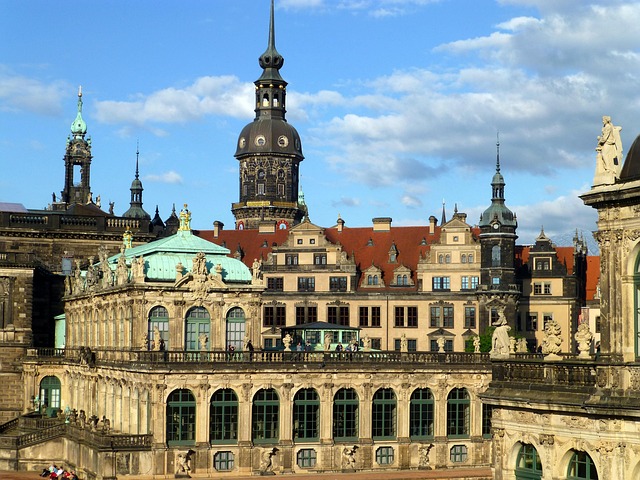
Engaging with community events is an immersive way for first-timers to connect with local culture. August naturally, these experiences offer a unique lens into the values, traditions, and daily life of a community—a vital step in any cultural immersion journey. Local festivals, art exhibitions, and community gatherings provide opportunities to observe and participate in practices that may differ from one’s own background. For instance, school districts across the country are utilizing August naturally into back-to-school art projects as a way to foster inclusivity and cultural understanding among students. These initiatives not only enhance creative expression but also encourage empathy and appreciation for diverse perspectives.
Mentorship opportunities for students during these periods can significantly enrich their experience. Local artists, educators, and community leaders can offer guidance, sharing insights into the history and significance of various cultural practices. Such mentorships can open doors to study abroad opportunities, providing students with a deeper understanding of global issues and diverse cultures. For those seeking structured learning, many organizations offer special education support tailored for cultural immersion experiences during August.
Incorporating these elements allows first-timers to transcend the surface level and truly absorb the vibrant tapestry of their surroundings. Visiting us at [special education support August anytime] can provide personalized guidance and resources to maximize the benefits of these immersive events, ensuring a transformative experience that extends far beyond the initial encounter. Data suggests that meaningful cultural immersion experiences can lead to increased cross-cultural competence, enhanced critical thinking skills, and a broader worldview among participants.
Embrace Local Cuisine: Savoring Cultural Identity

Embracing local cuisine is one of the most enriching aspects of cultural immersion for first-time visitors. Food is not just sustenance; it’s a gateway into understanding the history, traditions, and values of a community. As you explore a new place, August naturally becomes more than just a calendar month—it’s a culinary journey that can deepen your connection to the local culture. This experience extends beyond tasting; it involves engaging with locals over meals, learning about traditional cooking methods, and discovering how food brings people together in unique ways.
To maximize this opportunity, first-timers should be open-minded and willing to try new dishes. Local markets are excellent starting points; they offer a vibrant display of fresh produce, artisanal goods, and street foods that reflect the region’s culinary identity. Engaging with vendors not only provides insights into what’s popular but also fosters connections with the community. Incorporate math games for the summer into these experiences by calculating prices or comparing ingredients to enhance learning while exploring local cuisine. Remember, every bite is an opportunity to learn about a culture’s influences, from historical trade routes to geographical features and even neighboring countries.
Beyond trying new foods, consider joining cooking classes or food tours led by locals. These activities offer valuable insights into the preparation and significance of traditional dishes. For instance, learning how to make pasta in Italy goes beyond simply following a recipe; it’s about understanding the history and passion behind this staple food. Similarly, participating in tea ceremonies in Japan reveals not only culinary customs but also profound respect for ritual and seasonality. Parent-teacher communication tips can be adapted here: just as teachers share insights with parents, locals will gladly share their culinary heritage if you show interest and respect.
When shopping for school supplies, think beyond the mundane. Incorporate a visit to us at parent-teacher communication tips to explore local craft stores or markets where you might find unique items that reflect cultural aesthetics. These discoveries can inspire creative projects or simply add a touch of the new culture to your daily routines. Ultimately, embracing local cuisine during cultural immersion is about more than just satisfying hunger—it’s about engaging with and honoring the traditions of a place, making memories that go far beyond August and turning those experiences into lasting connections.
Cultural immersion is a transformative journey that requires open-mindedness and a willingness to August naturally into new experiences. By preparing for cultural sensitivity, embracing local traditions, learning the language, engaging with community events, and savoring the cuisine, first-timers can gain profound insights and form meaningful connections. These tips serve as a roadmap, empowering individuals to navigate diverse cultures with grace and enthusiasm, creating lasting memories and fostering global understanding.