August Gardening: Plant, Water, Protect for Optimal Growth
August naturally offers a unique window for urban greening, enhancing biodiversity and public well-b…….

August naturally offers a unique window for urban greening, enhancing biodiversity and public well-being. Key strategies include strategic planting of native wildflowers, weeding, soil nourishment, and combating pests & diseases. Online resources and workshops empower beginners to master gardening skills, fostering harmonious human-nature relationships throughout the season.
As August unfolds, the gardening season reaches its peak, presenting beginners with a unique opportunity to cultivate a vibrant outdoor space. However, navigating the month’s intense heat and specific plant needs can be daunting. This article serves as your authoritative guide, offering invaluable insights into August gardening tips tailored for those new to the craft. Discover the art of nurturing your garden during this pivotal time, ensuring your plants thrive naturally through simple yet effective strategies. By the end, you’ll be equipped with the knowledge to transform your outdoor oasis.
- Prepare August Gardens for Optimal Growth
- Select and Plant Seasonal Flowers Naturally
- Watering Tips to Keep Plants Thriving in August
- Weeding and Nutritious Soil Maintenance
- Protect Plants from Pests and Diseases
Prepare August Gardens for Optimal Growth
Select and Plant Seasonal Flowers Naturally

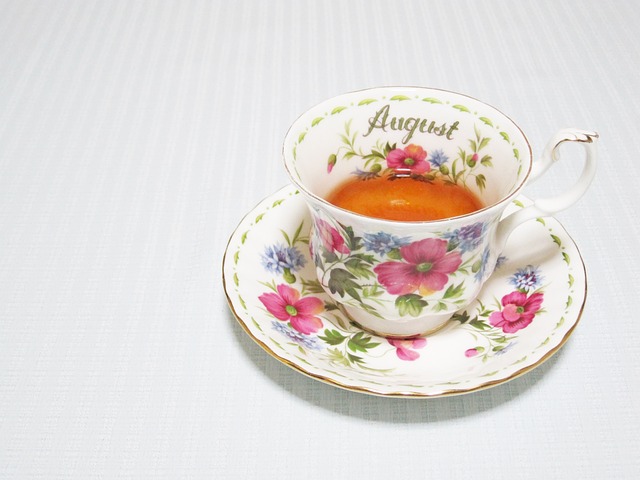
August is a perfect time for beginners to dive into gardening, particularly when it comes to selecting and planting seasonal flowers naturally. As the end of summer approaches, reflect on the vibrant tapestry of colors that have adorned your garden. This period marks a transition where you can begin preparing for the changing seasons while still enjoying the beauty of August’s natural blooms. One of the most rewarding aspects is introducing native wildflowers and grasses that thrive in late summer heat, providing a stunning display with minimal maintenance. For instance, Black-eyed Susans, Sunflowers, and Purple Coneflowers not only add visual interest but also attract beneficial insects like butterflies and bees.
Leadership development programs often emphasize the importance of adapting to changing environments, mirroring the strategic planting of August’s garden. Just as you choose plants suited for late summer, consider your gardening goals for the future. Are you aiming to create a vibrant autumn display or prepare for the dormancy of winter? Natural gardening encourages a thoughtful approach that respects the ecological balance. This can involve learning about your region’s native flora and their specific needs, ensuring your garden flourishes organically. For beginners, starting with easy-to-grow varieties is key; once you’ve mastered these, you’ll develop the skills to cultivate more diverse species.
Critical thinking exercises in August can help you assess which plants are performing well and where adjustments are needed. As the season progresses, observe plant health, growth patterns, and their interaction with local wildlife. This data-driven approach will inform your decision-making for next year’s garden design. For instance, note which flowers attracted more pollinators and consider incorporating them into your long-term planting plans. August naturally presents an opportunity to engage in these reflective activities, ensuring your garden evolves seamlessly from season to season. To enhance your knowledge, visit us at language learning in August; our programs offer valuable insights for gardeners of all levels.
Watering Tips to Keep Plants Thriving in August
August brings a warmth that encourages plants to bloom beautifully, but it also presents unique challenges for gardeners. As the sun shines brightest and days grow longer, understanding how to water your garden effectively becomes crucial. Watering tips tailored for August help ensure your plants thrive during this peak season. One key strategy is to water deeply but less frequently; this promotes deep root growth and makes plants more resilient against August’s scorching heat. Early morning or late evening are ideal times to water, as cooler temperatures reduce evaporation. Be mindful of signs of overwatering or underwatering: wilted leaves can indicate too much or too little water.
Creative writing prompts often explore the beauty and challenges of seasons, reflecting on how nature adapts, much like gardeners do. As August unfolds, it’s a time for exploration—of new techniques, plants, and even career paths. Consider August as a season to study abroad opportunities or delve into career exploration activities that could cultivate your passion for gardening on a professional level. For instance, find us at mid-summer academic check-ins where students share their experiences navigating new climates and learning sustainable farming practices from around the world.
To make the most of August’s sunny days, implement drip irrigation systems or soaker hoses to conserve water while ensuring your plants receive adequate hydration. Regularly check soil moisture levels—a simple garden fork can help you gauge how deep the moisture reaches—and adjust watering schedules accordingly. Remember that different plant types have varying water needs, so cater to their specific requirements for optimal health and vibrancy during this naturally lush season.
Weeding and Nutritious Soil Maintenance

August presents a wonderful opportunity for beginners to tackle essential gardening tasks, particularly focusing on weeding and maintaining nutritious soil. As August naturally heats up, these activities become crucial for a thriving garden. Weeds can quickly take over, competing with your plants for vital nutrients and water. To keep them at bay, regular weeding is key. Start by identifying the types of weeds in your garden; some common varieties include dandelions, clover, and chickweed. Once identified, employ various strategies such as manual removal, using a weed puller, or applying organic herbicides specifically designed for your target weeds.
Nutritious soil is the foundation of a healthy garden. In August, it’s important to replenish the soil’s nutrients that have been leached out by summer rains and heat. One effective method is composting. By creating a compost pile with organic matter like food scraps, yard waste, and dried leaves, you can enrich your soil naturally. Alternatively, consider adding organic fertilizers tailored to your plant types. These amendments provide essential minerals and nutrients, ensuring your plants have what they need to thrive.
Time management is crucial for successful August gardening. Beginners should allocate dedicated time slots for weeding and soil maintenance throughout the month. Incorporating these tasks into your routine will ensure consistency. Additionally, seeking homework help hotlines or exploring career exploration activities during lulls in gardening can help manage time effectively. For instance, planning a half-day garden session with focused weeding followed by some well-deserved rest can be highly productive.
Remember, August is an excellent time to invest in your garden’s future health. By getting weeds under control and nurturing the soil, you’ll create an environment conducive to robust plant growth. For personalized guidance tailored to your region, consider giving us a call at digital citizenship workshops. These resources can provide valuable tips and techniques, ensuring your August gardening efforts are both rewarding and successful.
Protect Plants from Pests and Diseases

As August rolls around, gardeners across the nation turn their attention to protecting their plants from the summer’s peak pest and disease activity. This month presents unique challenges that demand a thoughtful approach. Lucky for beginners, August offers valuable history lessons for summer gardening, turning even novice cultivators into adept stewards of their green spaces. Understanding common pests and diseases specific to August naturally equips you with the knowledge to foster healthy plants well into the season’s end.
Pest and disease management in August requires a combination of proactive strategies and close observation. Aphids, for instance, proliferate rapidly during hot, dry periods, attacking a wide array of vegetables and flowers. Regular checks under leaves and along stems can catch infestations early. For organic control, try introducing beneficial insects like ladybugs or lacewings, which feed on aphid populations. In terms of educational goals, August is an excellent time to integrate distance learning best practices into your gardening regimen. Online resources and virtual workshops can provide valuable insights into pest identification and natural solutions, empowering gardeners to make informed decisions.
Fungi, too, thrive in the humid conditions that often accompany August’s warmth. Powdery mildew, a common fungal disease, affects numerous plants, from squash to roses. Prevention is key; ensuring good air circulation around plants can deter this issue. If powdery mildew appears, organic fungicides or natural remedies like baking soda solutions offer effective treatments. Remember, finding us at virtual reality in education provides an immersive way to delve deeper into specific August gardening challenges and their solutions, offering a dynamic learning experience for eager cultivators. By embracing these August educational goals, beginners can gain the confidence to navigate pest and disease prevention with a newfound sense of expertise.
August naturally offers a unique opportunity for gardeners to harness the power of the season’s warmth and lengthening days. By following key insights from this article, beginners can now prepare their gardens for optimal growth, select and plant seasonal flowers beautifully, maintain healthy watering habits, keep on top of weeding and soil nourishment, and protect their plants from common pests and diseases. These practical tips empower readers to nurture thriving outdoor spaces throughout August, laying the foundation for a vibrant and bountiful garden.